
Kitchen cabinets are one of the most hardworking features in any home. They store dishes, cookware, food, cleaning supplies, and countless everyday essentials while also playing a major role in the overall appearance of your kitchen. With the right care and regular maintenance, quality cabinets can remain attractive, functional, and durable for many years.
For homeowners in Austin, Texas, cabinet maintenance deserves particular attention. Austin’s hot summers, changing humidity levels, dust, and frequent kitchen use can affect cabinet finishes, hardware, and wood over time. Fortunately, keeping your cabinets in good condition doesn’t require complicated tools or expensive treatments.
Here is a practical guide to maintaining kitchen cabinets and protecting your investment.
1. Clean Cabinets Regularly
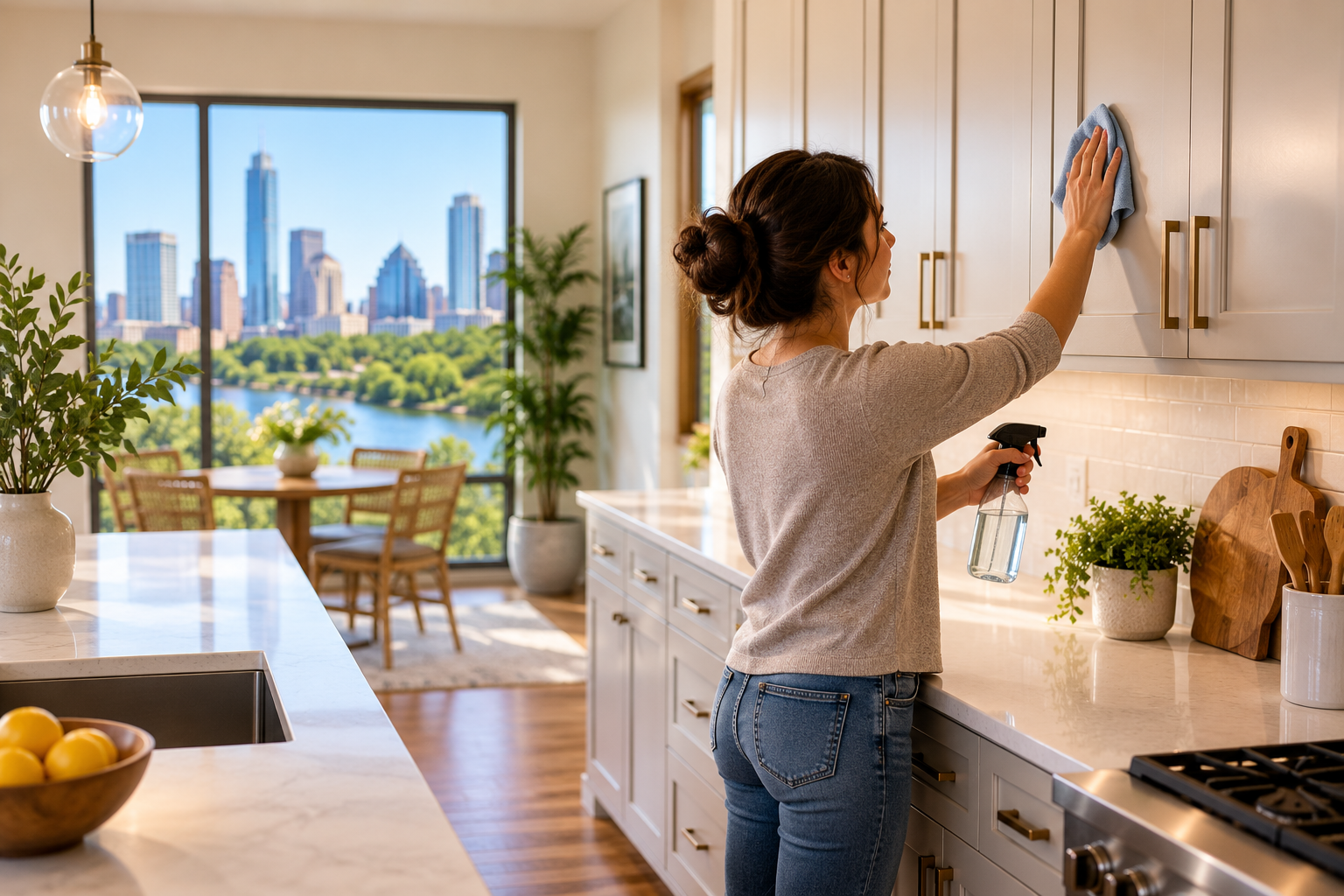
One of the simplest ways to maintain kitchen cabinets is to clean them regularly. Grease, food particles, dust, and moisture can gradually build up on cabinet doors and surfaces, especially around handles and areas near the stove.
For routine cleaning, use a soft microfiber cloth or a soft sponge with warm water and a small amount of mild dish soap. Wipe the surface gently and then dry it with a clean cloth.
Avoid soaking cabinet doors or allowing water to sit on the surface. Excess moisture can damage certain wood finishes, cause swelling, or affect cabinet edges and joints.
For Austin kitchens, regular dusting can also be helpful because dry and dusty conditions can leave a layer of particles on cabinet surfaces.
2. Be Careful With Cleaning Products
Not every household cleaner is suitable for kitchen cabinets. Strong chemicals, abrasive cleaners, bleach, ammonia, and rough scrubbing pads can damage the finish or change the appearance of cabinet surfaces.
Before using any cleaning product, check the cabinet manufacturer’s care recommendations. When you’re unsure, stick with a mild soap-and-water solution and test it on a small, inconspicuous area first.
Never assume that a cleaner safe for countertops or appliances is automatically safe for cabinets.
3. Keep Cabinets Dry
Moisture is one of the biggest concerns when maintaining cabinets. Water can come from sinks, dishwashers, wet hands, leaking plumbing, and everyday cooking.
Pay special attention to the cabinets underneath the kitchen sink. Periodically check for leaks around plumbing connections. Even a small leak can cause significant damage if it goes unnoticed for an extended period.
If water spills onto a cabinet surface, wipe it up promptly. This is especially important for wood cabinets and cabinets with exposed edges.
4. Protect Cabinets From Excess Heat
Heat and steam can affect cabinet finishes over time. Cabinets positioned close to ovens, ranges, dishwashers, or other heat-producing appliances may experience more exposure than cabinets elsewhere in the kitchen.
Always use your kitchen ventilation system when cooking, particularly when producing significant steam. A properly functioning range hood can help reduce heat, moisture, grease, and cooking odors.
Austin’s warm climate makes ventilation especially useful. Keeping the kitchen properly ventilated can help create a more stable environment for your cabinets.
5. Check Hinges and Hardware
Cabinet doors and drawers are opened and closed frequently, so hardware naturally experiences wear.
Every few months, inspect:
- Door hinges
- Drawer slides
- Cabinet handles
- Knobs
- Screws
- Drawer alignment
If a hinge becomes loose, tighten the screws carefully. Avoid overtightening because excessive force can damage the cabinet material or screw holes.
If a door begins rubbing against another door or no longer closes properly, the hinges may need adjustment. Modern cabinet hinges often have adjustment screws that allow homeowners to correct minor alignment issues.
For persistent problems, professional cabinet repair may be the better option.
6. Don’t Overload Drawers and Shelves
Cabinet maintenance isn’t only about cleaning. How you use your cabinets also affects their lifespan.
Avoid placing excessive weight inside drawers or on shelves. Heavy cookware, appliances, and large containers can put unnecessary stress on shelves, drawer slides, and mounting points.
Organize heavier items toward the lower sections of your cabinetry when possible. This can make cabinets easier to use while reducing stress on upper shelves.
If a shelf starts sagging or a drawer becomes difficult to open, address the problem rather than continuing to add weight.
7. Pay Attention to Austin’s Climate
Austin experiences hot summers and variations in humidity throughout the year. These environmental conditions can influence natural wood products.
Wood can naturally expand and contract as temperature and humidity change. Over time, significant fluctuations may contribute to minor gaps, movement, or changes in cabinet components.
Maintaining reasonable indoor temperature and humidity levels can help create a more stable environment for wood cabinetry. Using air conditioning during Austin’s hot months can also help control indoor conditions.
If you notice substantial warping, cracking, or separation, don’t ignore it. A professional should inspect the cabinets to determine whether the issue is environmental, installation-related, or caused by moisture.
8. Clean Grease Before It Builds Up
Cooking grease can create a sticky layer that attracts dust and dirt. Cabinets near the stovetop are particularly vulnerable.
Instead of waiting until grease becomes difficult to remove, wipe cabinet surfaces regularly. Use a gentle cleaning solution appropriate for your cabinet finish.
Pay particular attention to:
- Cabinet doors near the range
- Areas around cabinet handles
- The underside of upper cabinets
- Cabinet edges
- Surfaces near countertop appliances
Routine cleaning is much easier than trying to remove years of accumulated grease.
9. Avoid Slamming Doors and Drawers
Repeatedly slamming cabinet doors and drawers can loosen hardware and place unnecessary stress on hinges, slides, and cabinet joints.
Encourage everyone in the household to close doors and drawers gently. If your cabinets have soft-close hardware, allow the mechanism to do its job rather than forcing the door closed.
If a soft-close drawer or hinge stops working properly, replacing the hardware may restore smooth operation without replacing the entire cabinet.
10. Inspect Cabinets Twice a Year
A simple inspection twice a year can help identify small problems before they become expensive repairs.
Look for:
- Loose hinges or handles
- Cracked or peeling finishes
- Water stains
- Swollen cabinet edges
- Sagging shelves
- Misaligned doors
- Difficult-to-open drawers
- Signs of insects or moisture damage
Consider doing a more thorough inspection during spring and fall. If you identify a problem early, it may only require a minor repair.
11. Know When to Repair or Replace
Not every cabinet problem means you need a complete kitchen remodel. Many issues can be addressed through adjustments, repairs, replacement hardware, refinishing, or replacement of individual components.
However, cabinets with severe water damage, extensive structural deterioration, or significant warping may need professional evaluation.
If your cabinets are structurally sound but look outdated, cabinet refacing, refinishing, or replacing the doors can sometimes provide a refreshed appearance without completely replacing the cabinetry.
For Austin homeowners considering an upgrade, working with a reputable local cabinet supplier or professional can help determine the most practical solution.
12. Make Maintenance Part of Your Routine
The best cabinet maintenance strategy is consistency. Spending a few minutes each week wiping surfaces and checking for obvious problems can prevent many issues from developing.
A simple routine could include:
Weekly: Wipe cabinet doors, handles, and frequently touched areas.
Monthly: Clean areas around appliances and check for grease buildup.
Every few months: Inspect hinges, handles, drawer slides, and shelves.
Twice a year: Perform a complete cabinet inspection and check underneath the sink for plumbing leaks.
Final Thoughts
Kitchen cabinets are a long-term investment, and proper maintenance can help preserve both their appearance and functionality. For Austin, Texas homeowners, protecting cabinets from moisture, heat, grease, dust, and changing indoor conditions is especially important.
Regular cleaning, careful use, proper ventilation, hardware inspections, and early repairs can significantly extend the useful life of your cabinets. Whether you have traditional wood cabinetry, modern laminate cabinets, or another style, following the manufacturer’s care instructions should always be your first priority.
If your kitchen cabinets are showing signs of serious wear—or you’re planning a kitchen renovation—consider consulting a local Austin cabinet professional. The right maintenance and timely upgrades can keep your kitchen looking beautiful and functional for years to come.